Continuously or Continually: What’s the Difference
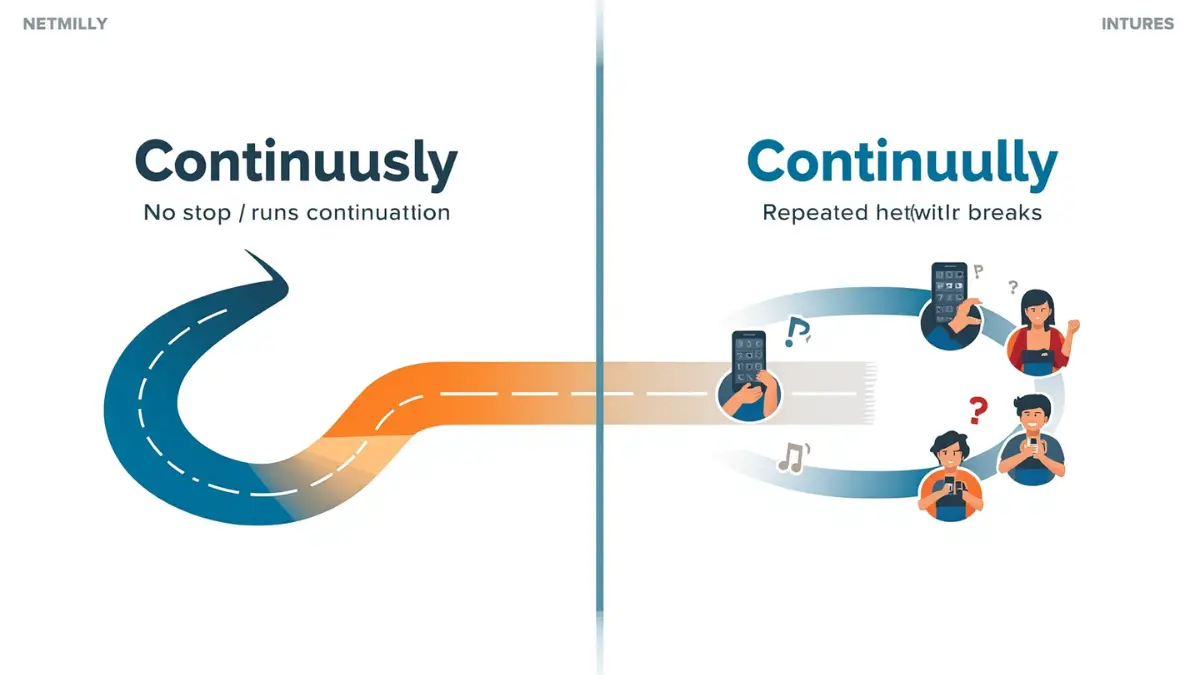
Many English learners get confused continuously or continually because both words look and sound similar. They are often used in ...
Read more
Literally or Figuratively: What’s the Difference
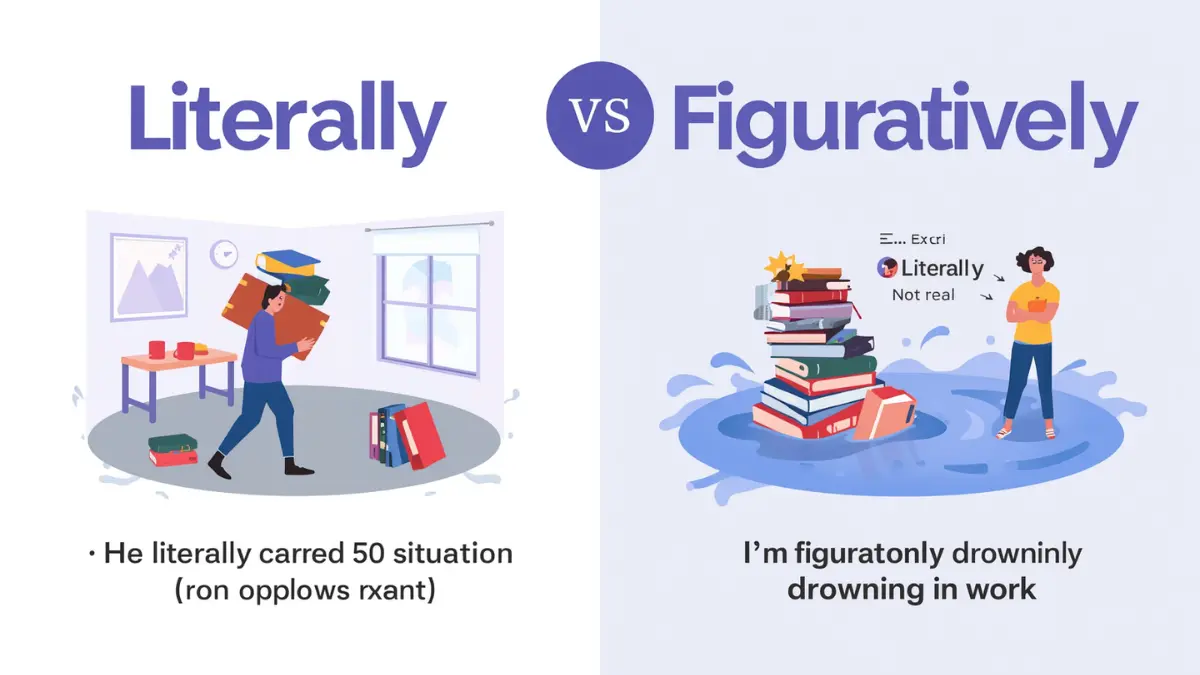
People often say things like “I’m literally dying of laughter” or “He figuratively climbed the ladder of success.” This is ...
Read more
Since or Because: What’s the Difference
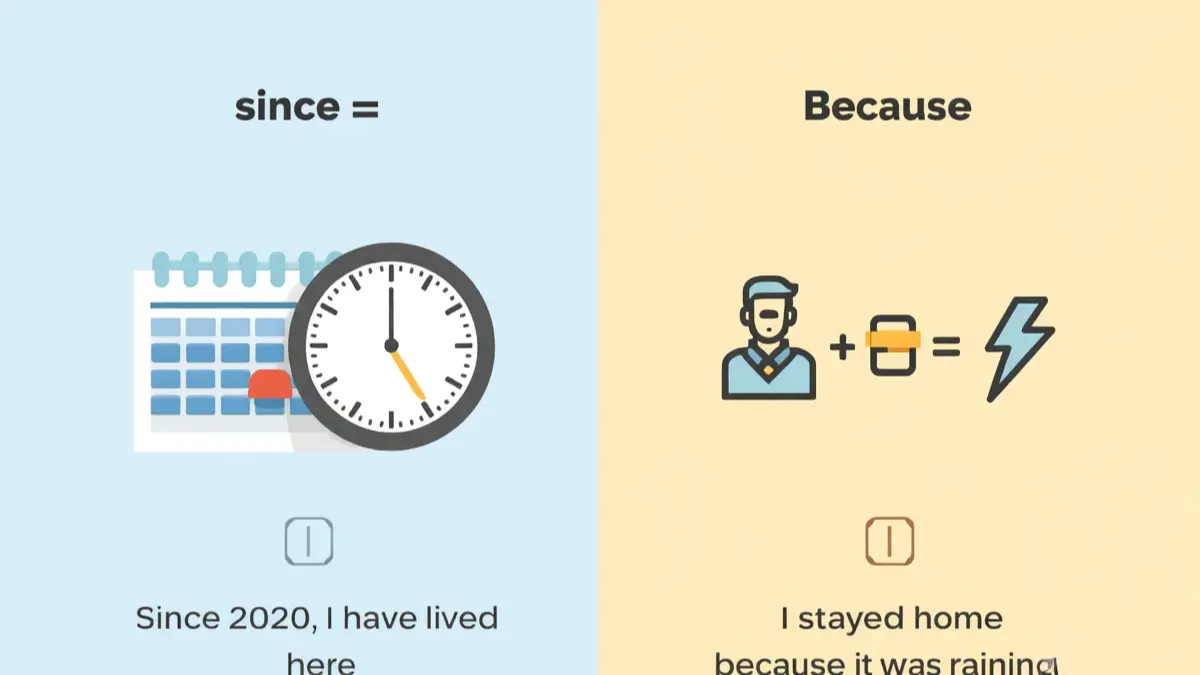
Many English learners struggle with since or because because both words can explain a reason. For example, should you write, ...
Read more
Comprise or Compose: What’s the Difference
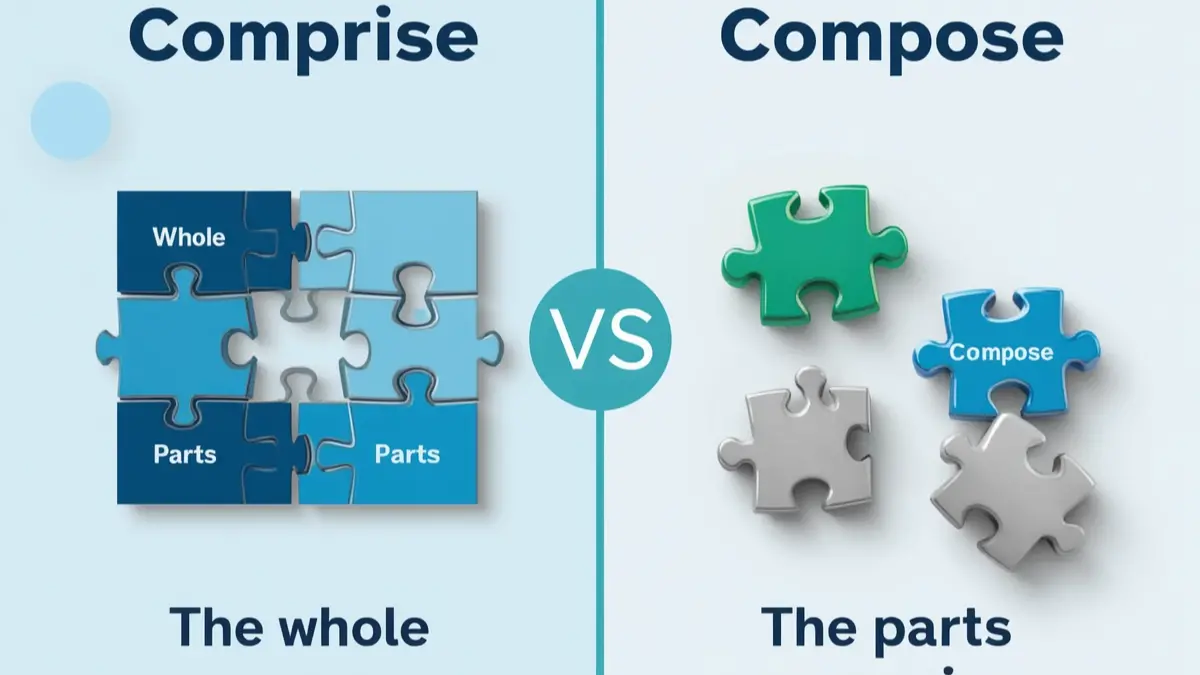
Many English learners and native speakers get confused by comprise and compose. The two words are closely related and often ...
Read more
Fewer or Less: What’s the Difference and Which One Is Correct?
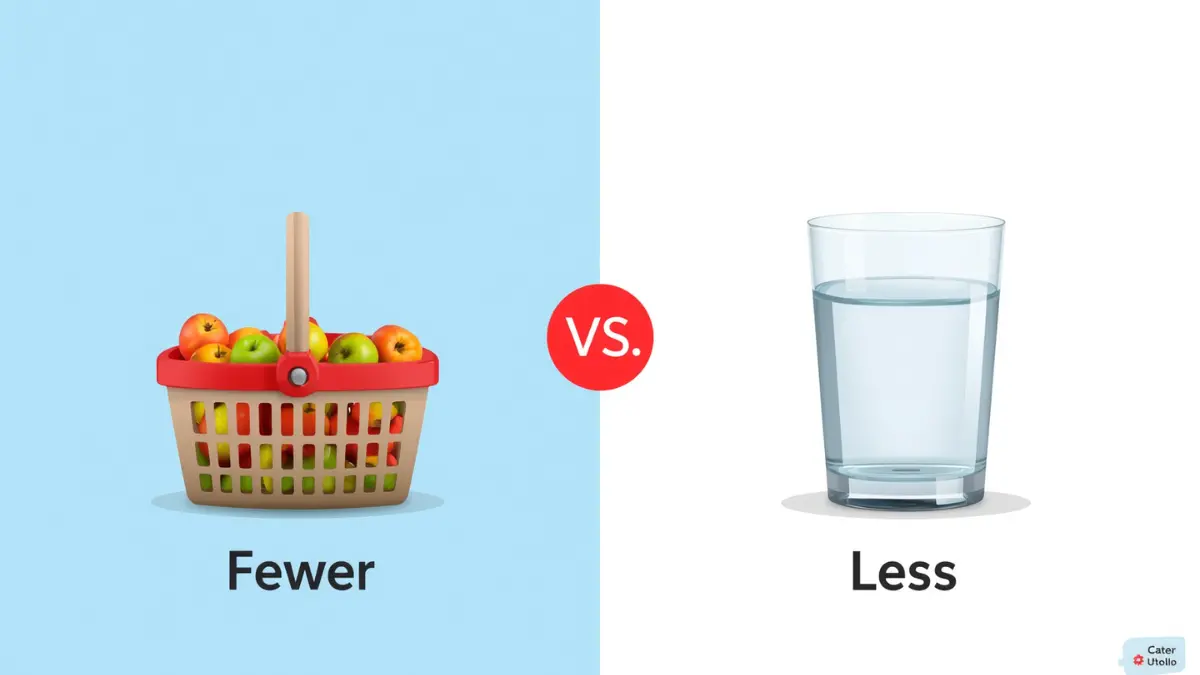
Many English learners stop while writing sentences like “less people” or “fewer people.” Both words talk about smaller amounts, so ...
Read more
Which or That: What’s the Difference ?
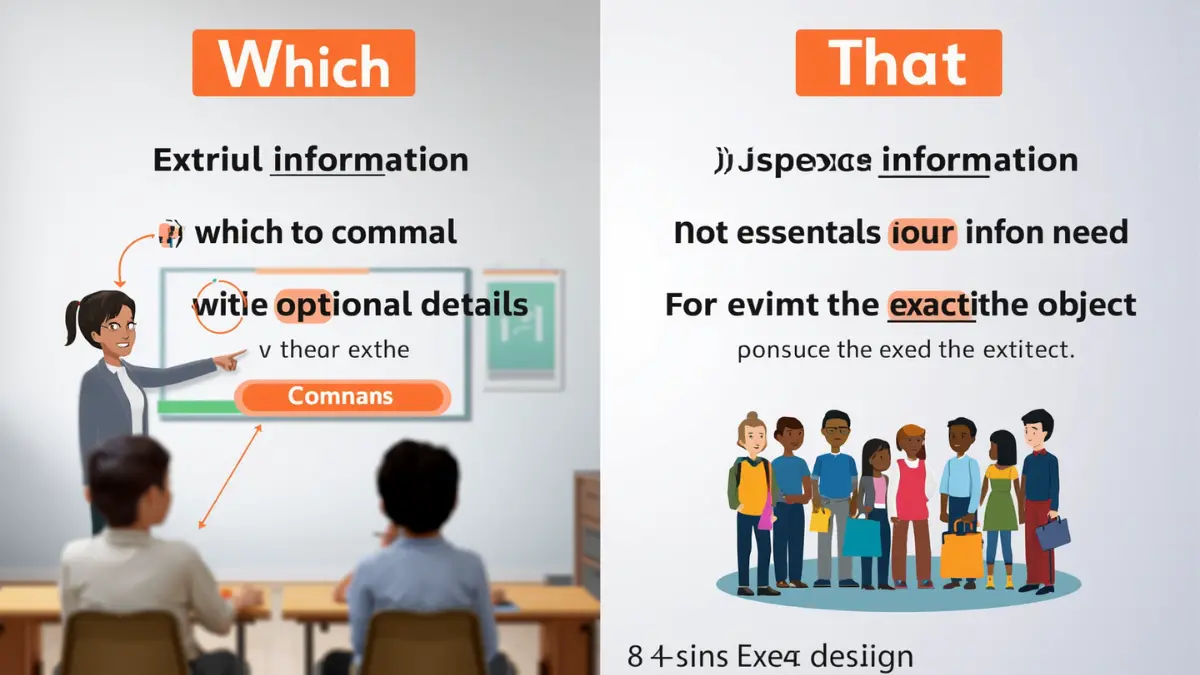
Many writers struggle with which or that because both words introduce extra information in a sentence. At first glance, they ...
Read more
Recognise or Recognize: Meaning and Correct Usage Guide

Many English learners often get confused between “recognise or recognize” because both words look almost identical but are used in ...
Read more
Organise or Organize: Meaning and Correct Usage in English

Many English learners get confused when they see organise or organize written in different ways. You might see “organise your ...
Read more
Analyse or Analyze: Meaning, Spelling and Simple Usage Guide?

Have you ever wondered whether to write “analyse” or “analyze” in your essay, email, or report? This small spelling difference ...
Read more
Grey or Gray: Meaning and Correct Usage in English?

The spelling difference between grey or gray often confuses English learners, writers, and even native speakers. You may notice both ...
Read more