Comma Before Because: Rules, Examples to Use It Correctly
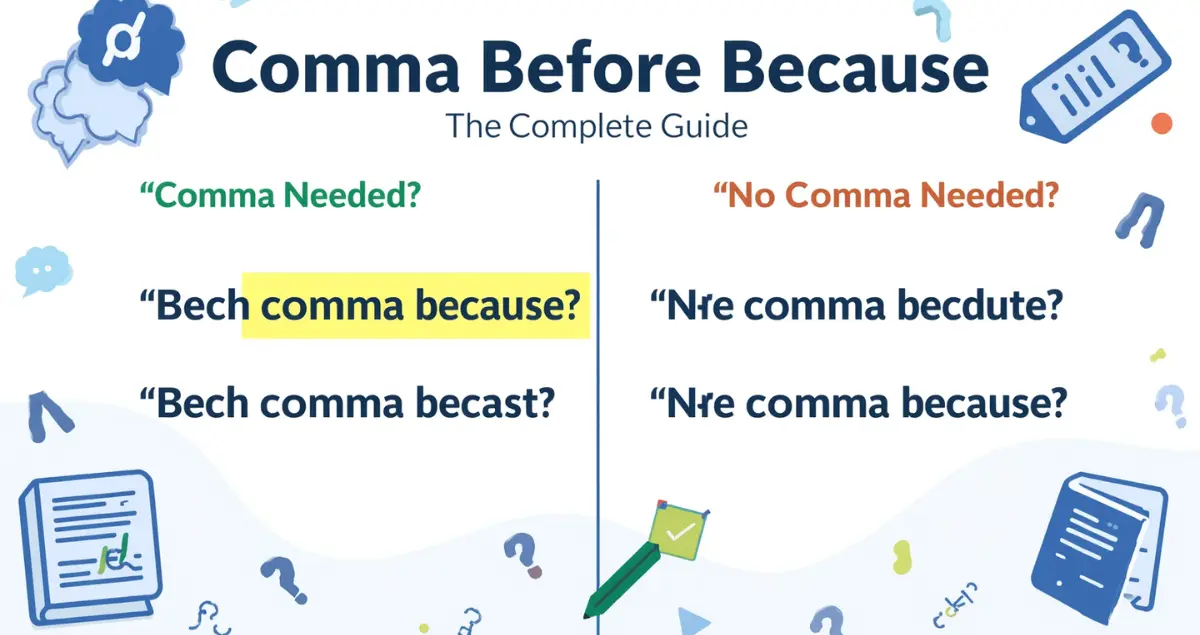
Have you ever stopped while writing and wondered, “Do I need a comma before because?” You are not alone. This ...
Read more
Comma Before But: Rules, Examples, and Mistakes Explained
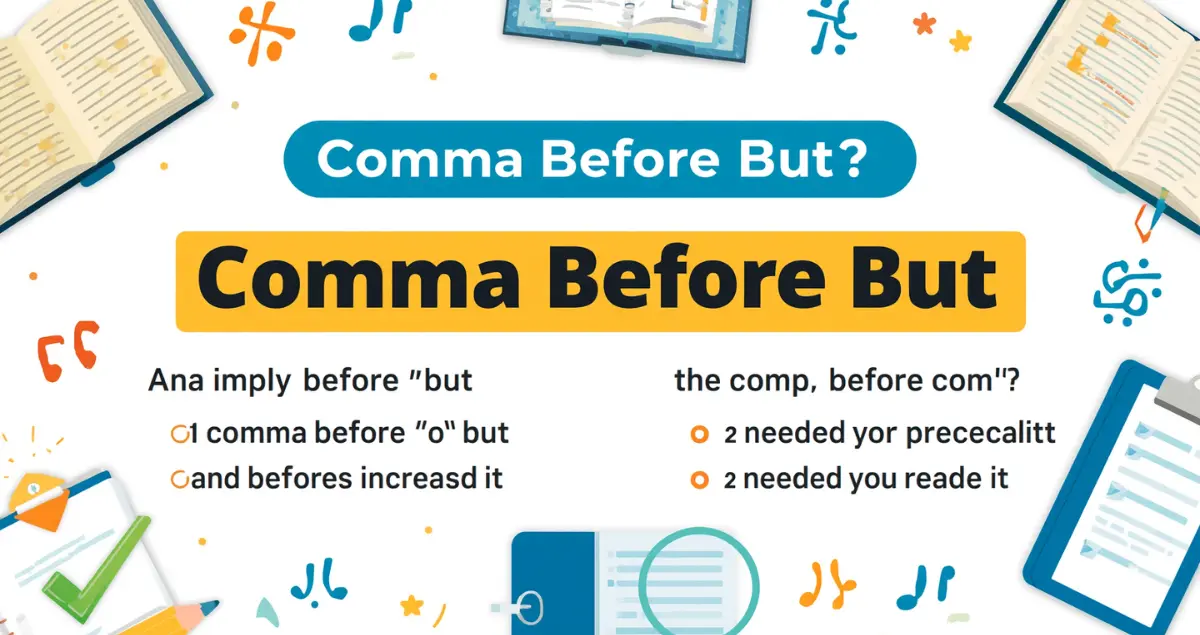
Have you ever stopped while writing and wondered whether you need a comma before but? You are not alone. Many ...
Read more
Blew or Blown: Which Word Is Correct?
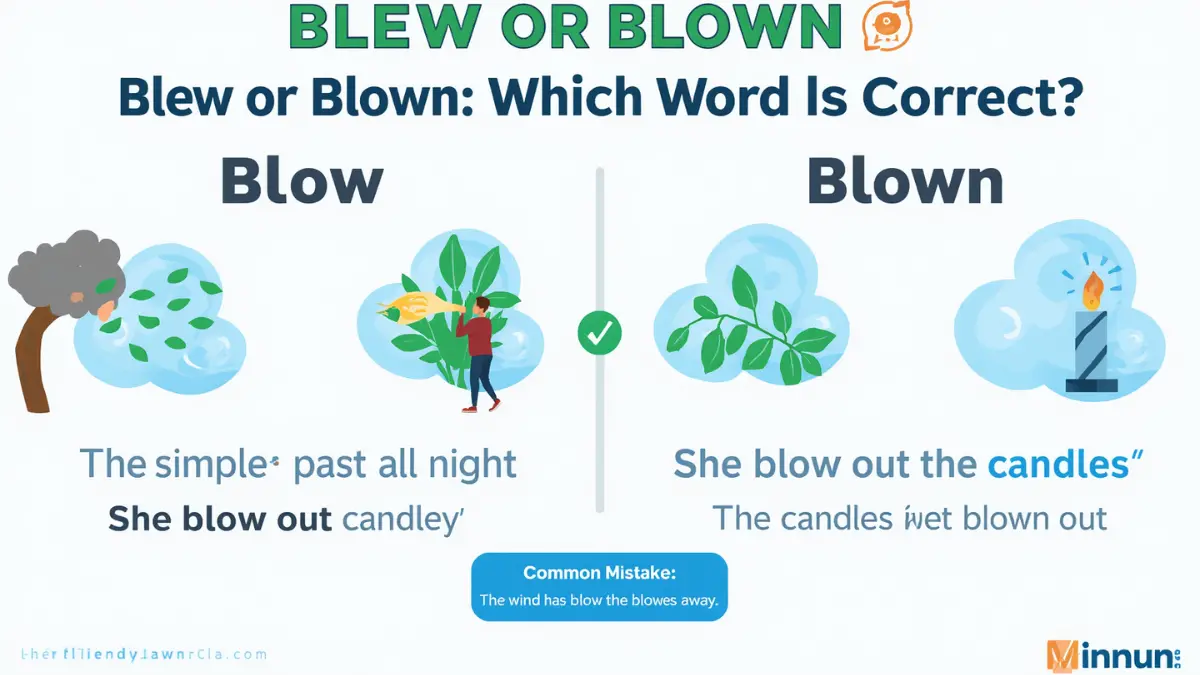
Many English learners and native speakers get confused by blew and blown. Both words come from the verb blow, but ...
Read more
Shrank or Shrunk: Which Word Is Correct ?
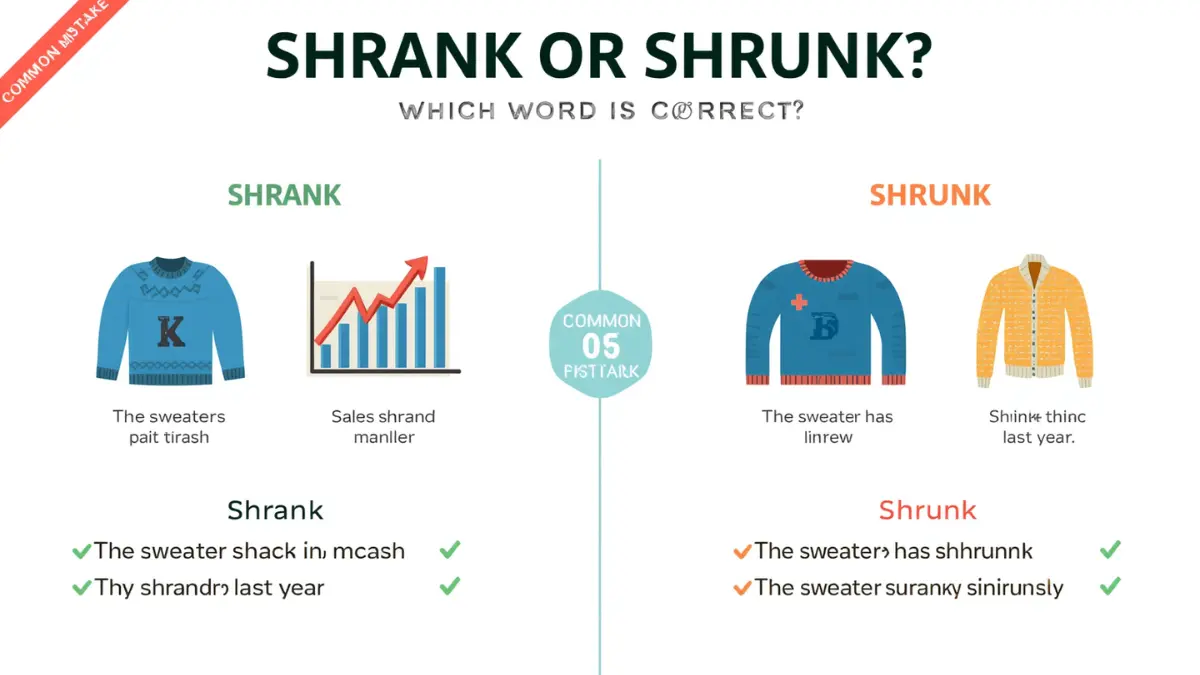
Have you ever written a sentence and stopped to wonder whether it should be shrank or shrunk? You are not ...
Read more
Shone or Shined: Which Word Is Correct?
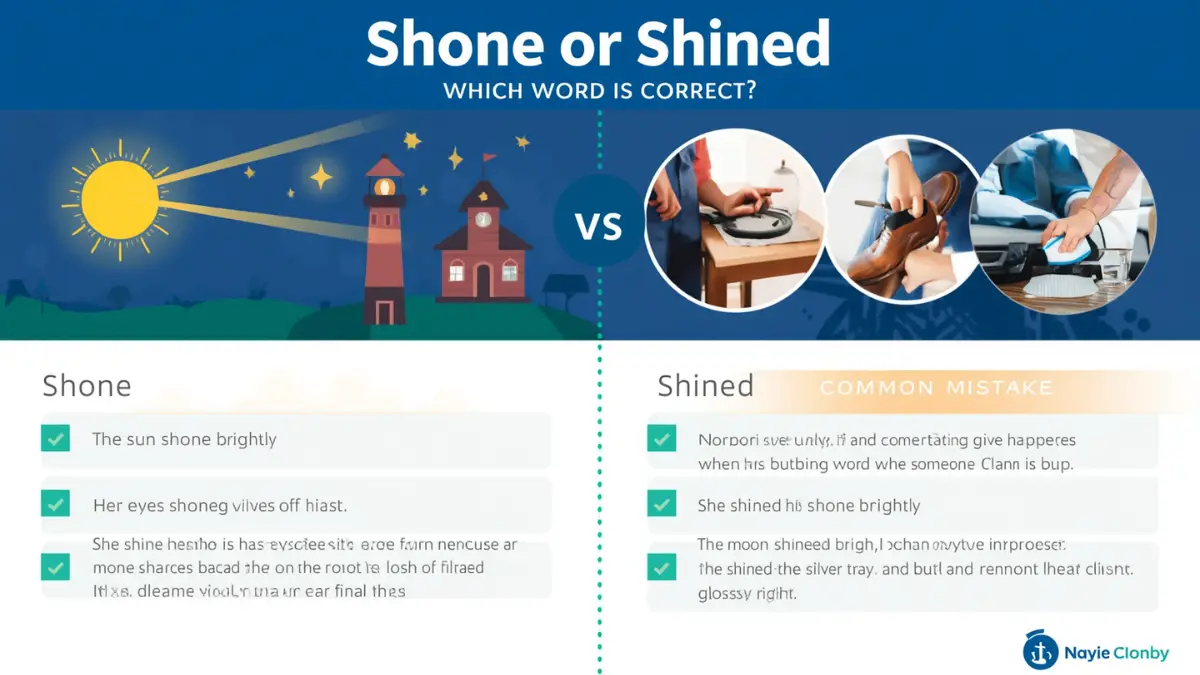
Have you ever wondered whether you should write shone or shined? Many English speakers face this question because both words ...
Read more
Snuck or Sneaked: Which Past Tense Is Correct?
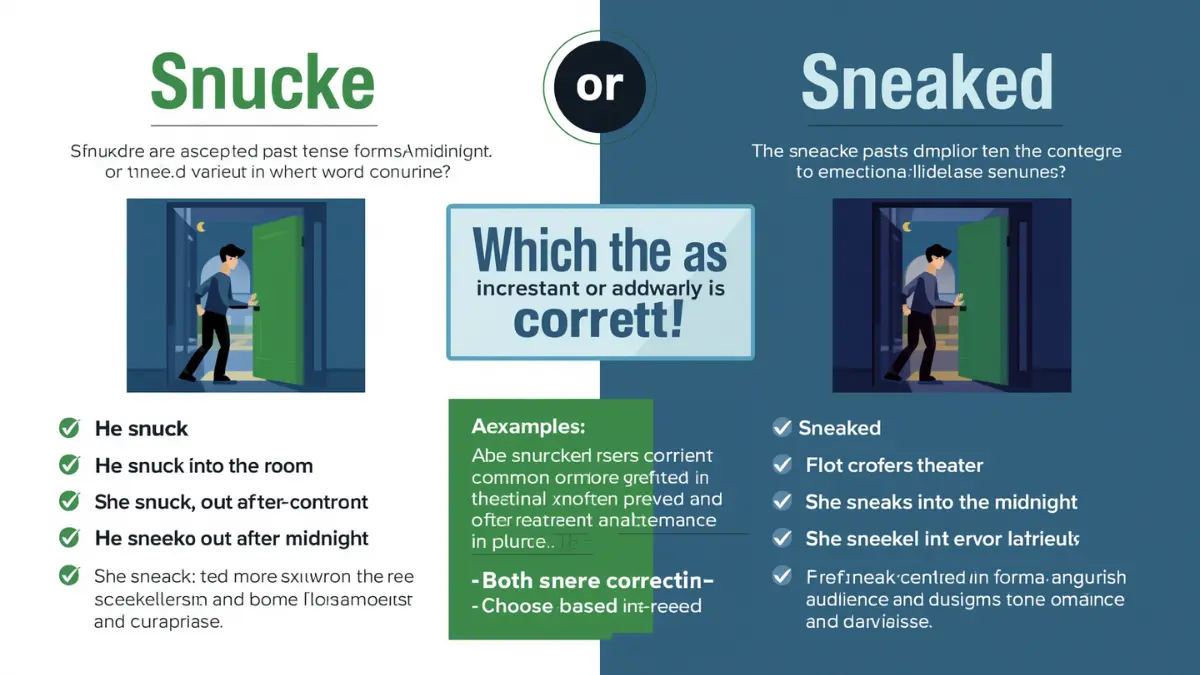
Have you ever written a sentence like “He snuck into the room” and wondered if it should be “He sneaked ...
Read more
Dove or Dived: Which Past Tense Is Correct?
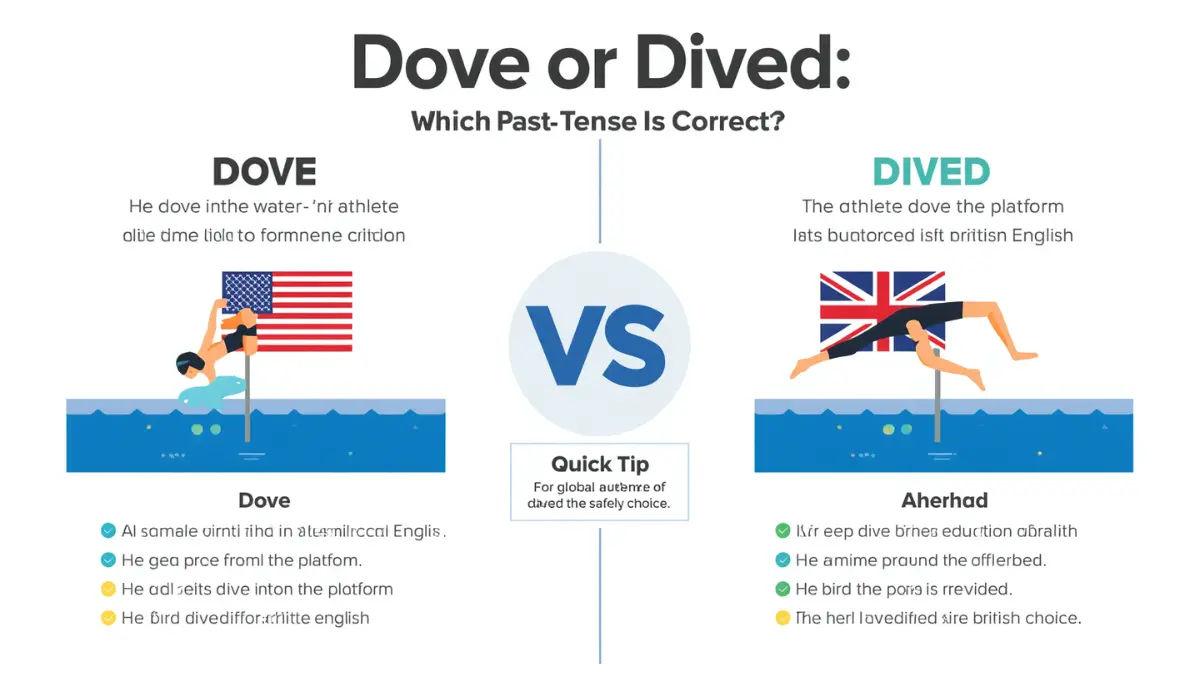
Have you ever written a sentence like “He dove into the pool” and wondered if it should be “He dived ...
Read more
Proven or Proved: Which Word Is Correct ?
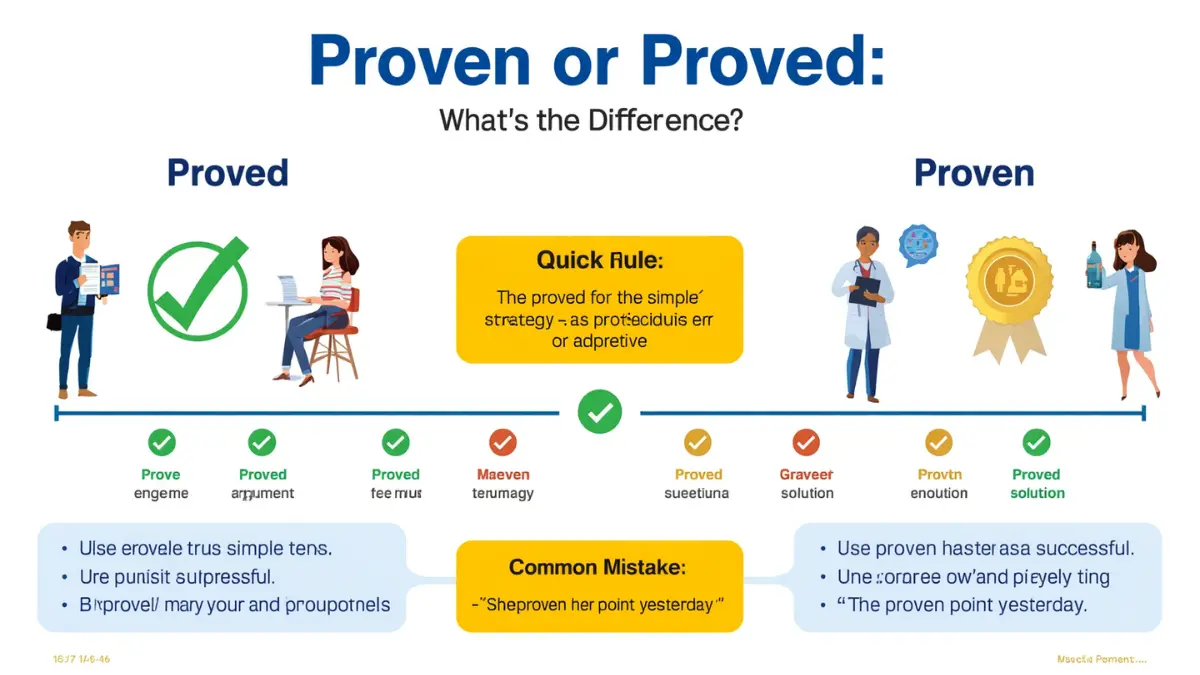
Have you ever written a sentence and paused to wonder If you should use proven or proved? You are not ...
Read more
Knew or Known: Which Word Is Correct?
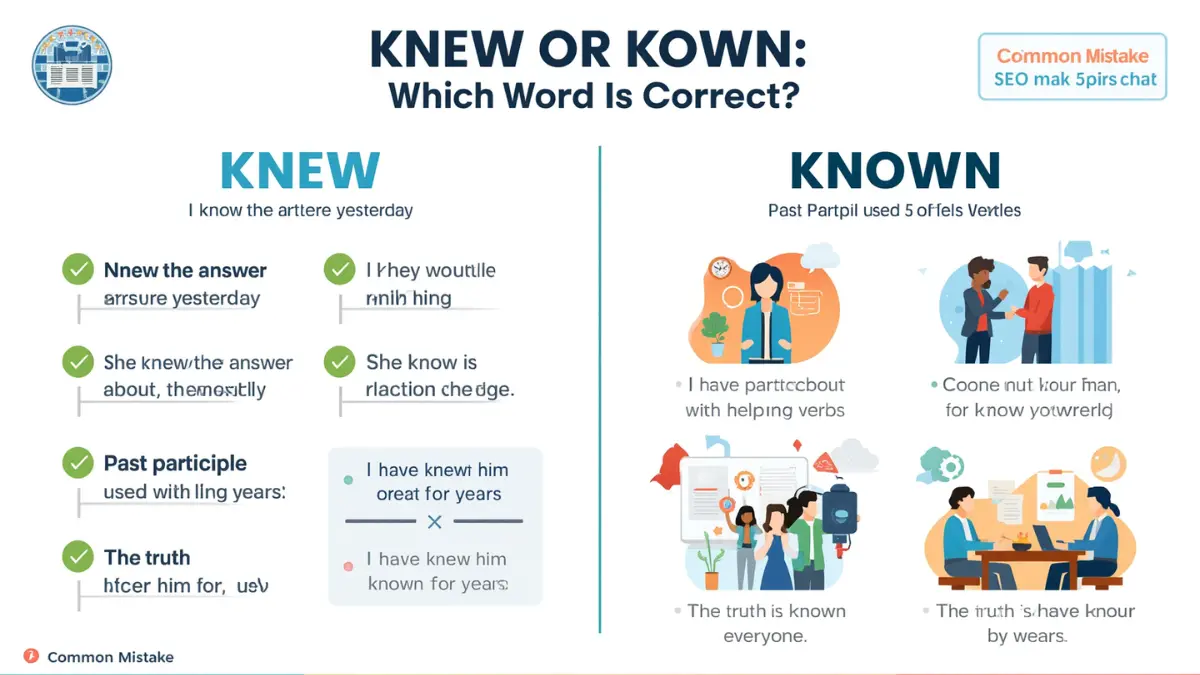
Have you ever paused while writing and wondered whether to use knew or known? You are not alone. These two ...
Read more
Threw or Thrown: Which Word Is Correct?
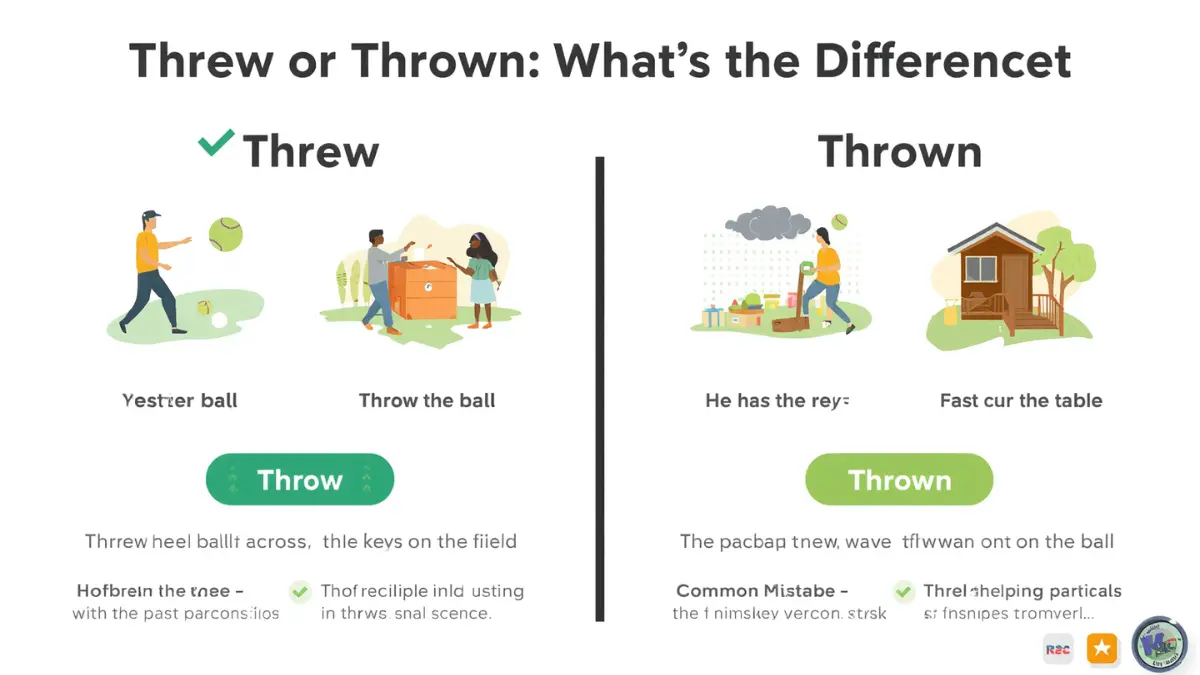
Have you ever wondered whether to write “threw” or “thrown”? Many English learners and native speakers mix up these two ...
Read more