Elicit vs Illicit: What’s Difference and Which Word Should Use?
Many English learners and native speakers confuse elicit and illicit because they sound similar. At first glance, the words appear ...
Read more
Accept vs Except: What’s difference and When You Use Each
Many English learners and native speakers confuse accept and except because the words look and sound similar. A single letter ...
Read more
Who vs Whom: The Simple Grammar Guide You Need
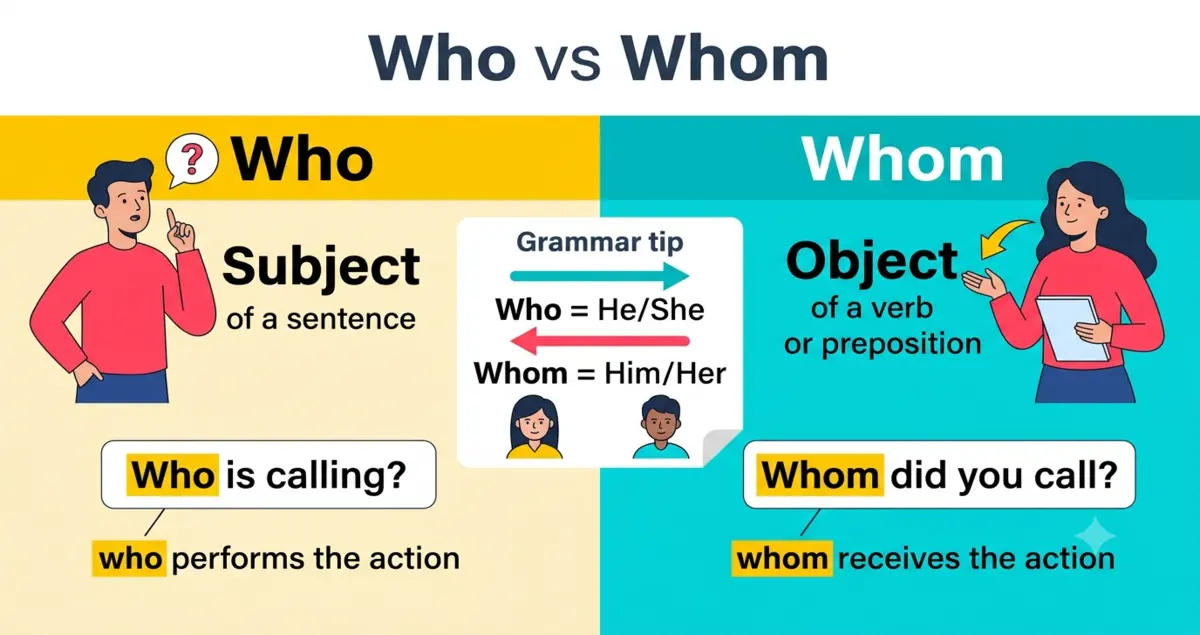
Have you ever stopped while writing and wondered whether to use who or whom? You are not alone. This is ...
Read more
Affect vs Effect: What’s Difference and Which One You Use?
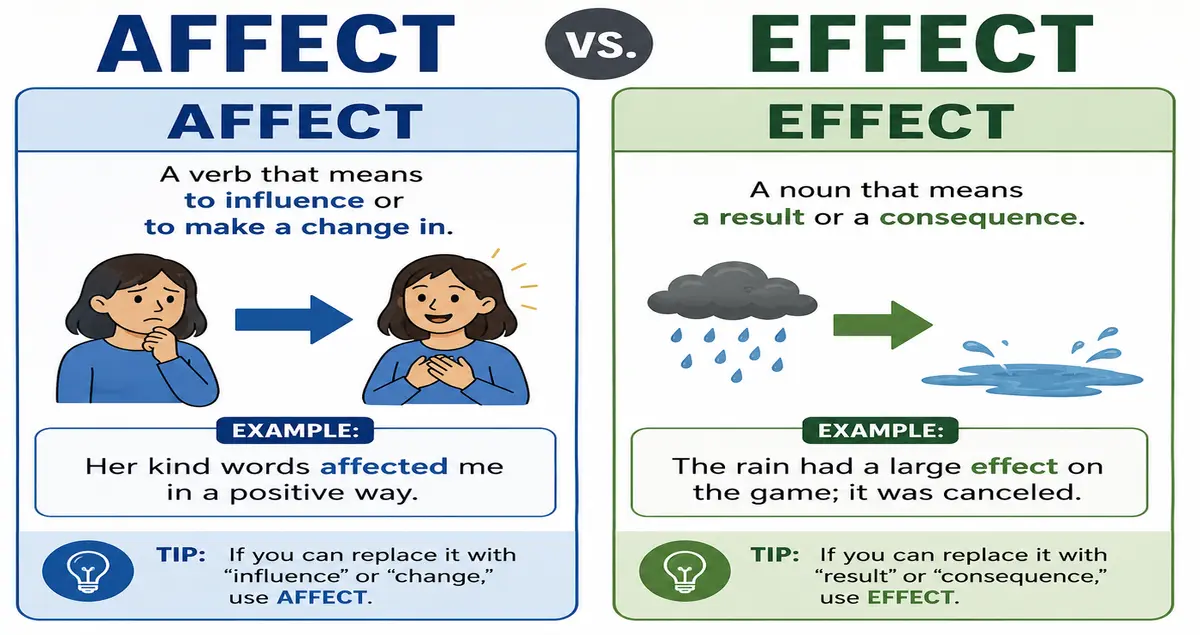
Many English learners and native speakers struggle with affect vs effect. These two words look similar, sound alike, and often ...
Read more
Based On or Based Off: Which Is Correct? Meaning and Examples.
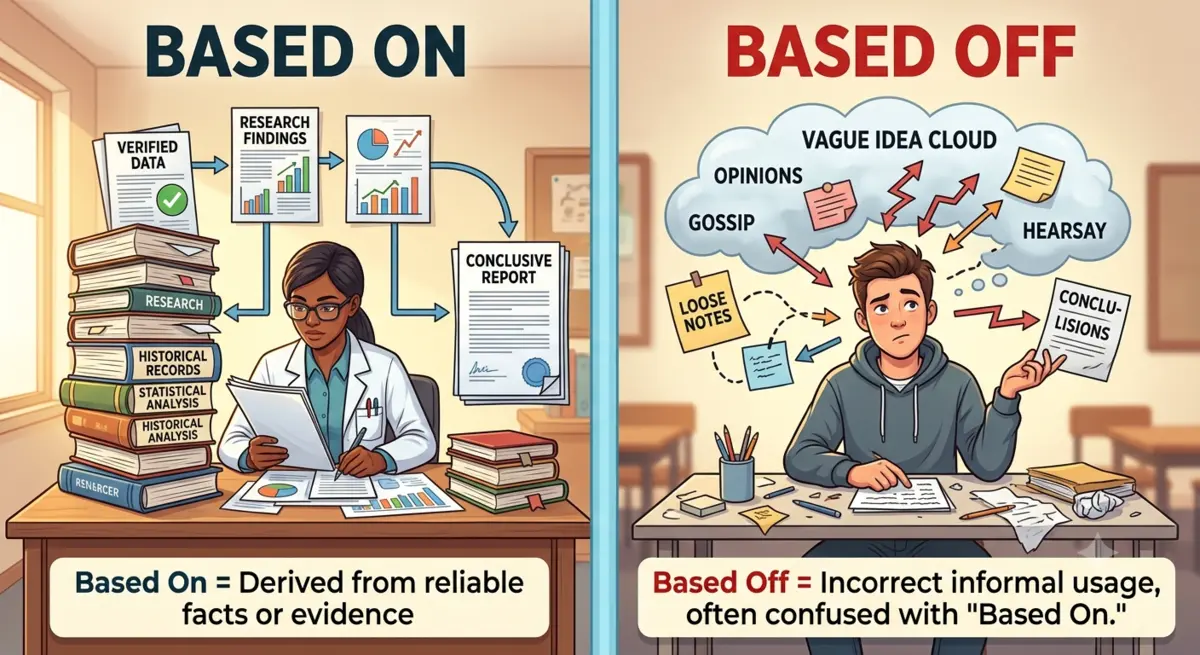
Have you ever wondered whether you should write “based on” or “based off”? Many English learners, writers, students, and professionals ...
Read more
Could Care Less or Couldn’t Care Less? Meaning and Difference
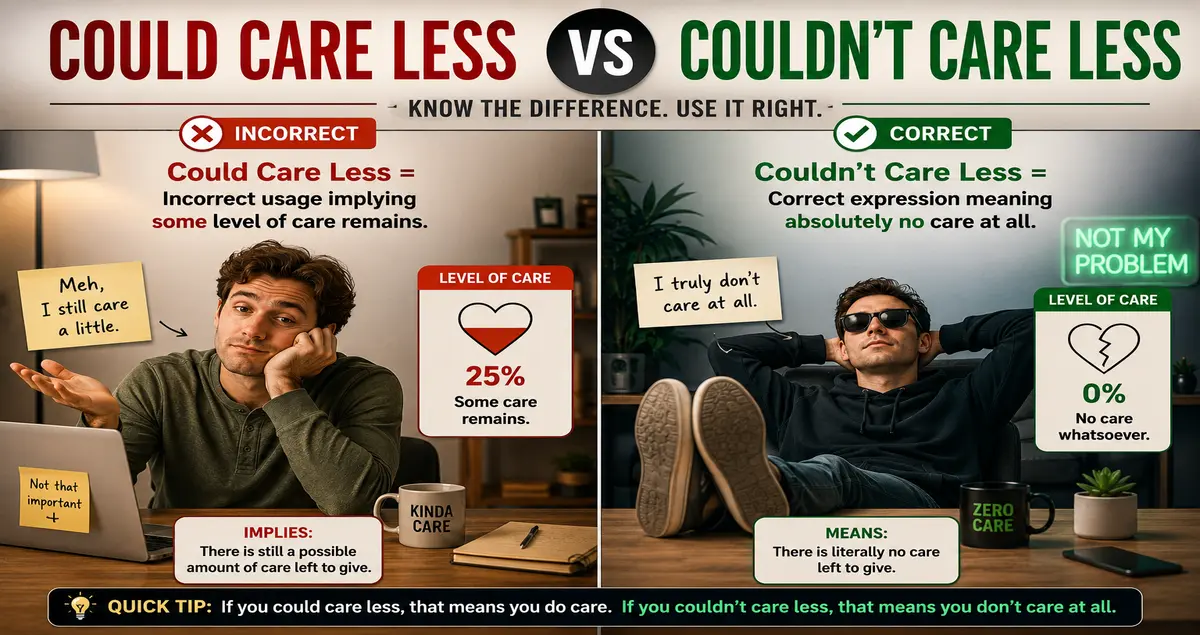
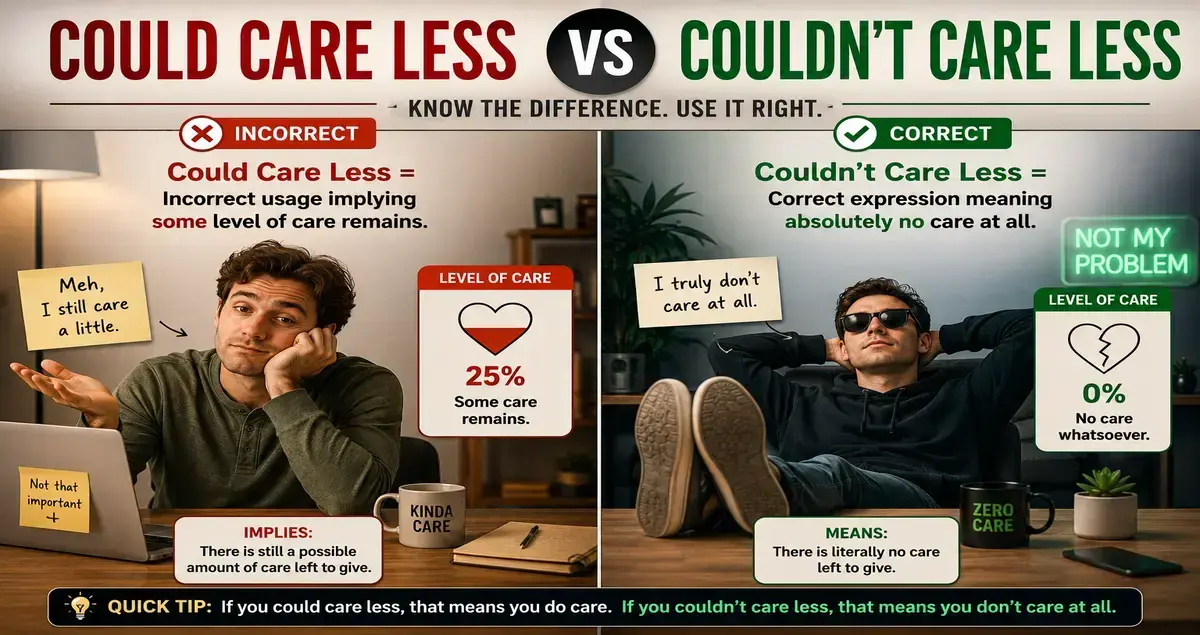
Have you ever heard someone say “I could care less” and wondered if it makes sense? Many English learners and ...
Read more
In or At Grammar: Differences, Rules, Examples, When Use Each
Many English learners struggle with in or at grammar because both words describe location, place, and time. At first glance, ...
Read more
Could Of or Could Have? The Correct Grammar Explained
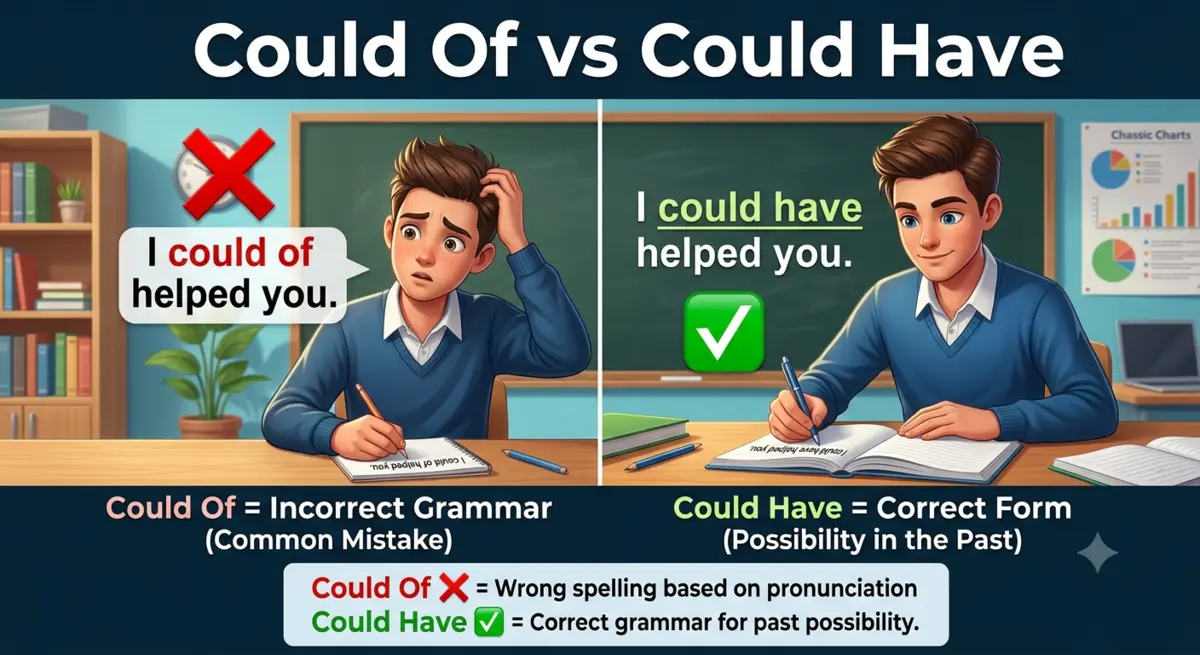
Have you ever written “could of” and wondered if it was correct? You are not alone. Thousands of people search ...
Read more
Suppose To or Supposed To? The Correct Form Explained
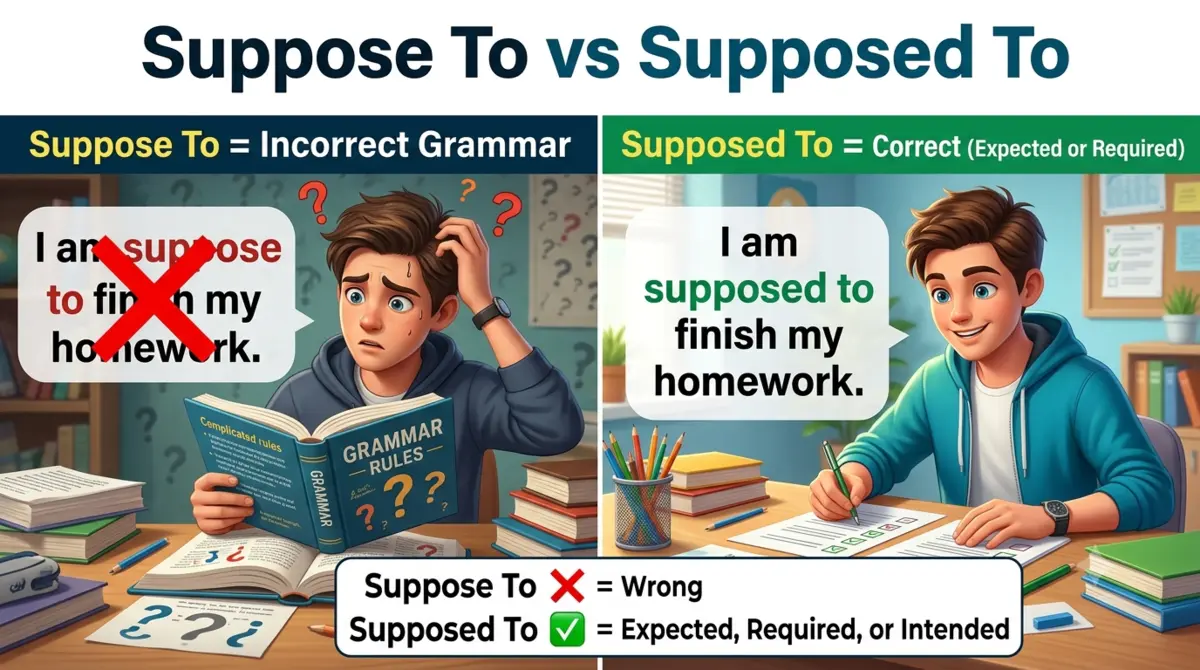
Have you ever typed “suppose to” and wondered if it was correct? You are not alone. Thousands of people search ...
Read more
Used To or Use To? Meaning, Grammar Rules
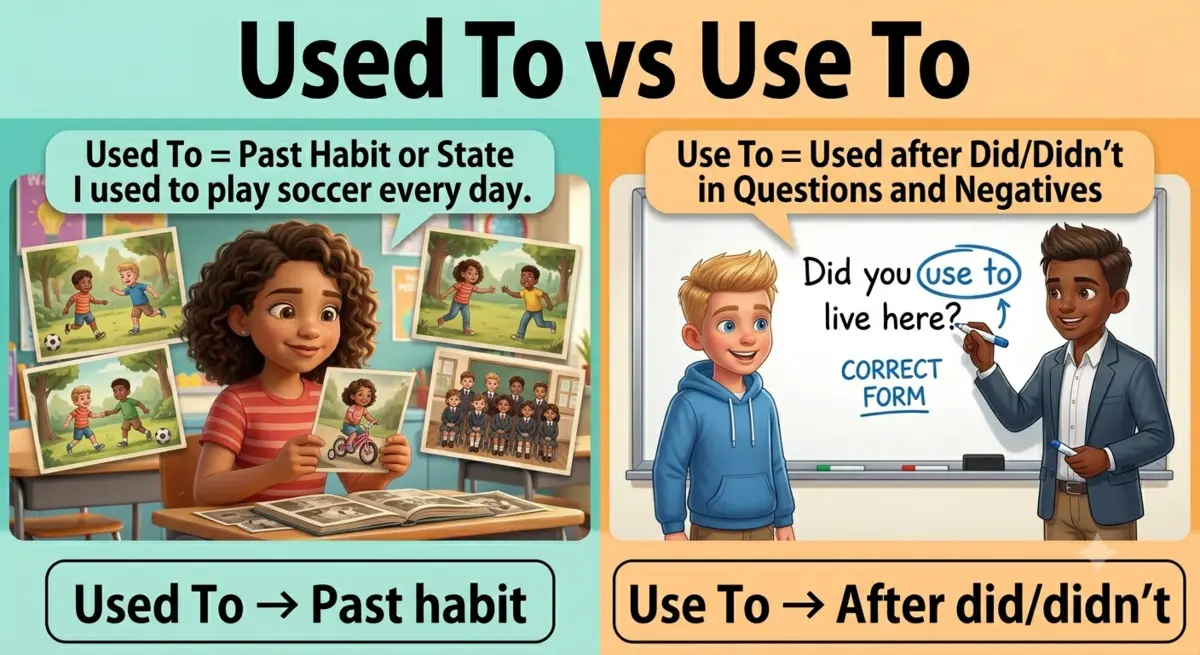
Do you write “used to” or “use to”? Many English learners and native speakers get confused by these two forms. ...
Read more