Snuck or Sneaked: Which Past Tense Is Correct?
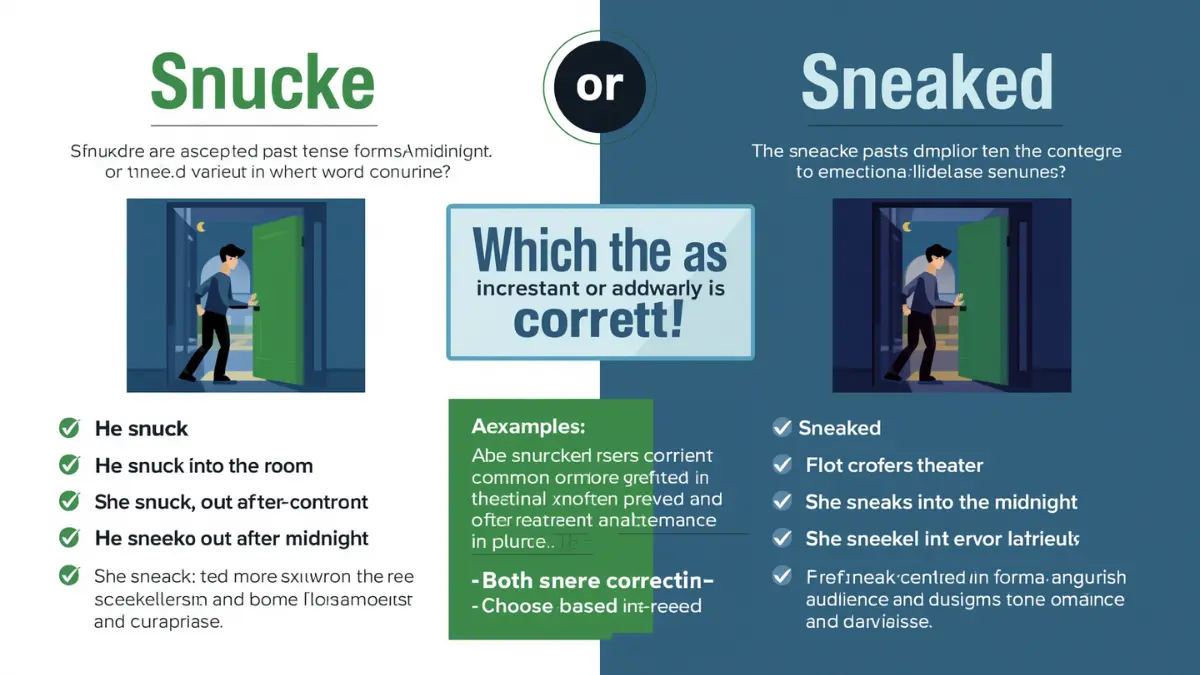
Have you ever written a sentence like “He snuck into the room” and wondered if it should be “He sneaked ...
Read more
Proven or Proved: Which Word Is Correct ?
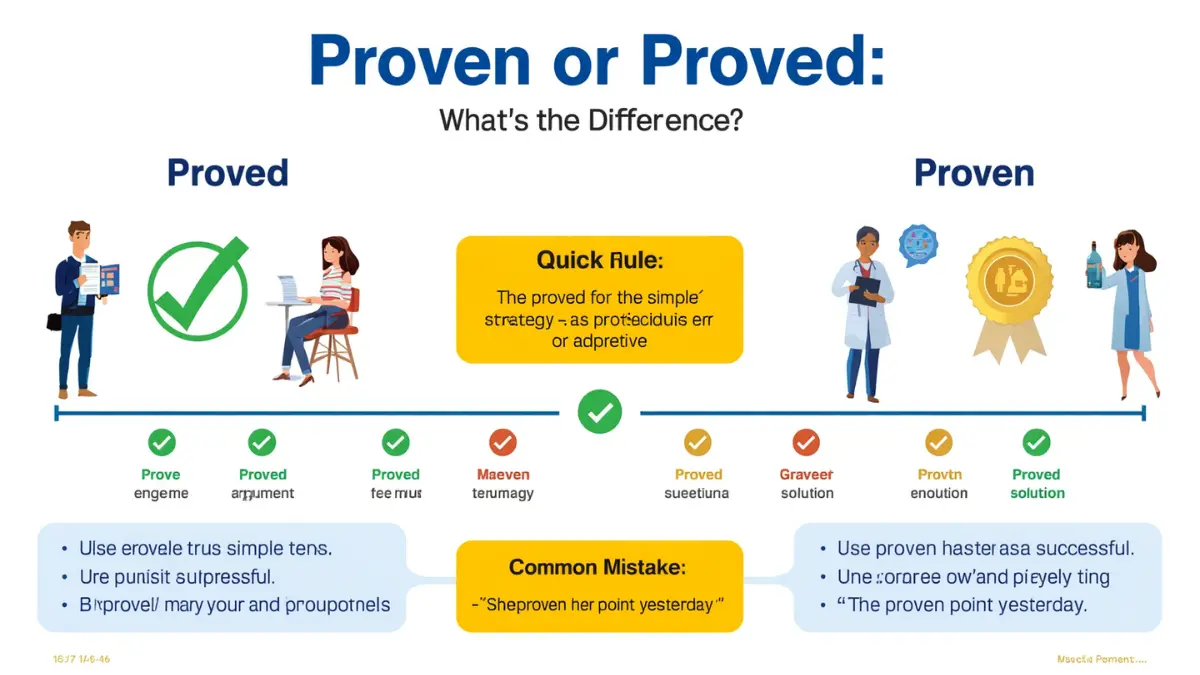
Have you ever written a sentence and paused to wonder If you should use proven or proved? You are not ...
Read more
Knew or Known: Which Word Is Correct?
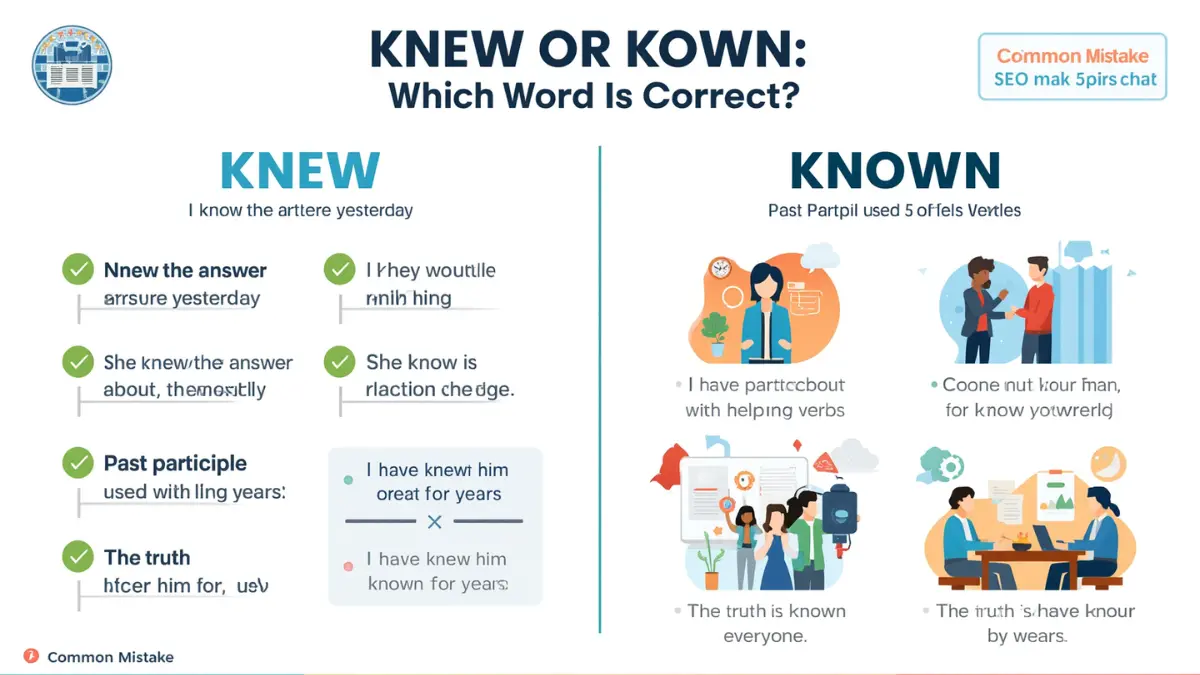
Have you ever paused while writing and wondered whether to use knew or known? You are not alone. These two ...
Read more
Laid or Lain: What’s the Difference
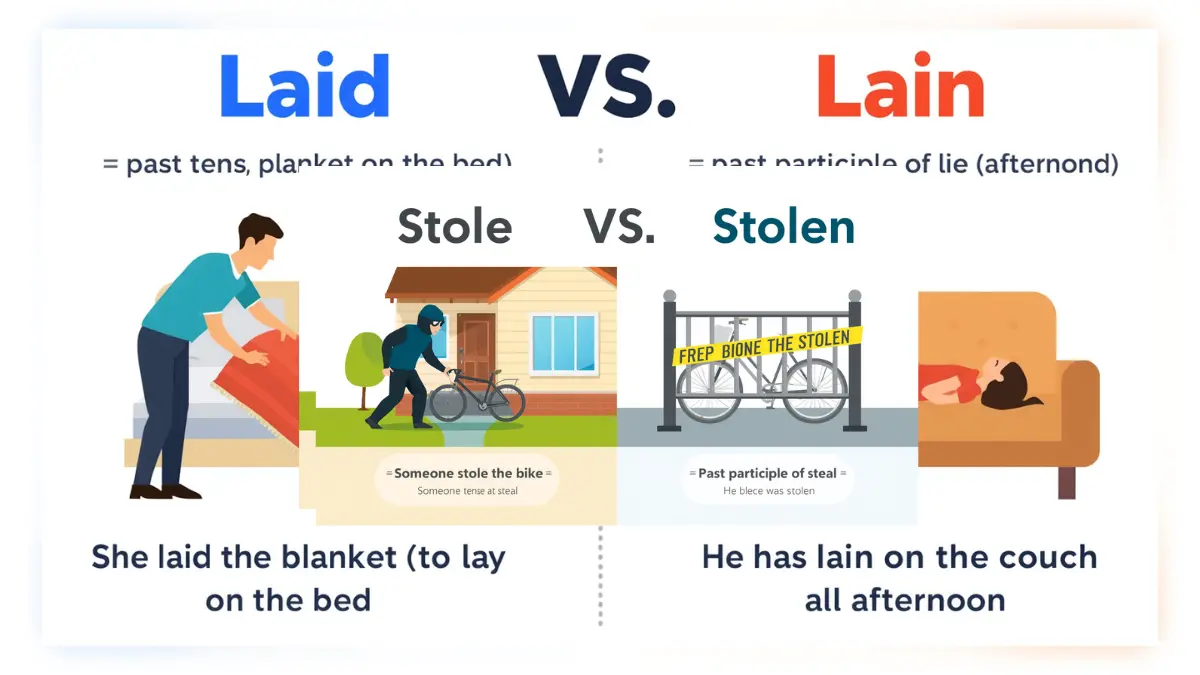
Many English learners and native speakers get confused by “laid” and “lain.” The words look similar, sound alike, and both ...
Read more
Raise or Rise: What’s the Difference and How to Use Them
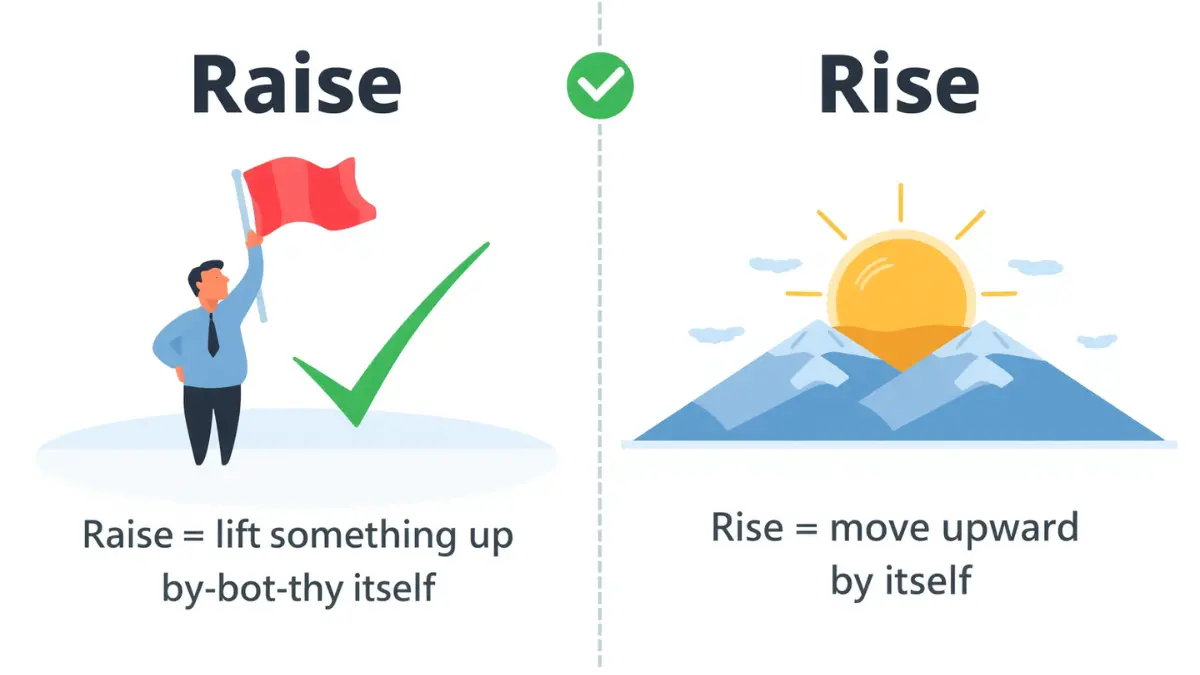
Have you ever written a sentence and paused to ask yourself, “Should I use raise or rise?” If so, you’re ...
Read more
Lend or Loan : Understanding the Difference
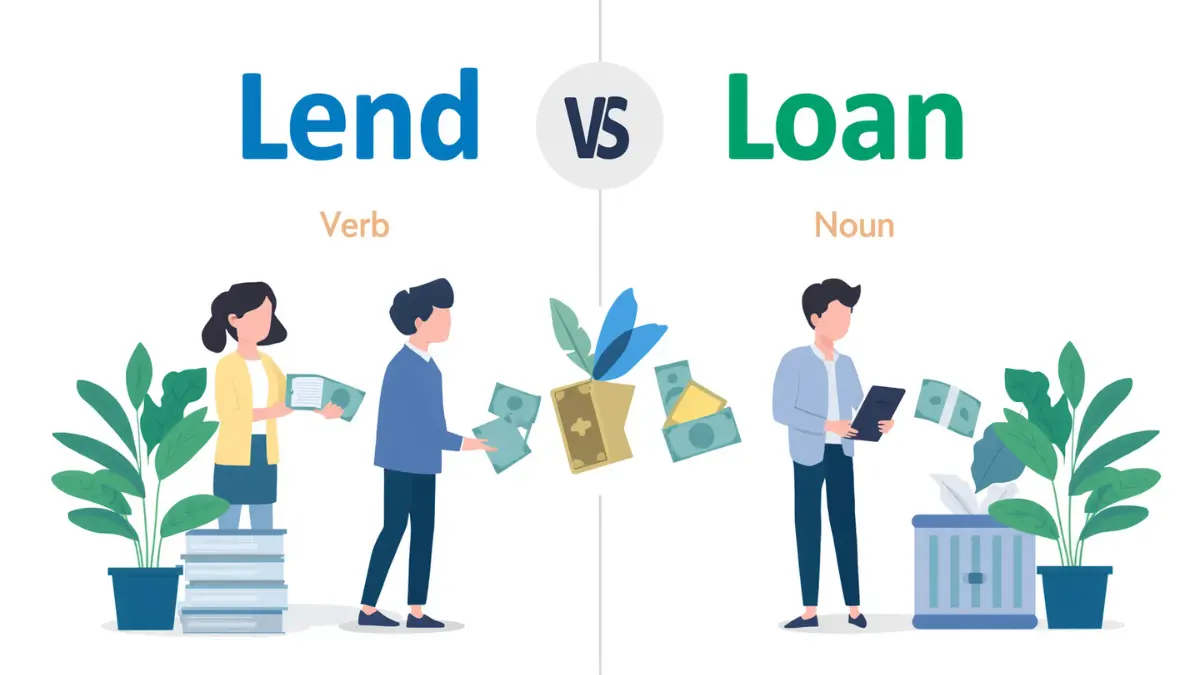
Have you ever wondered whether you should say lend or loan? Many English learners and native speakers get confused by ...
Read more
Shall or Will: The Complete Guide to Meaning, and Usage
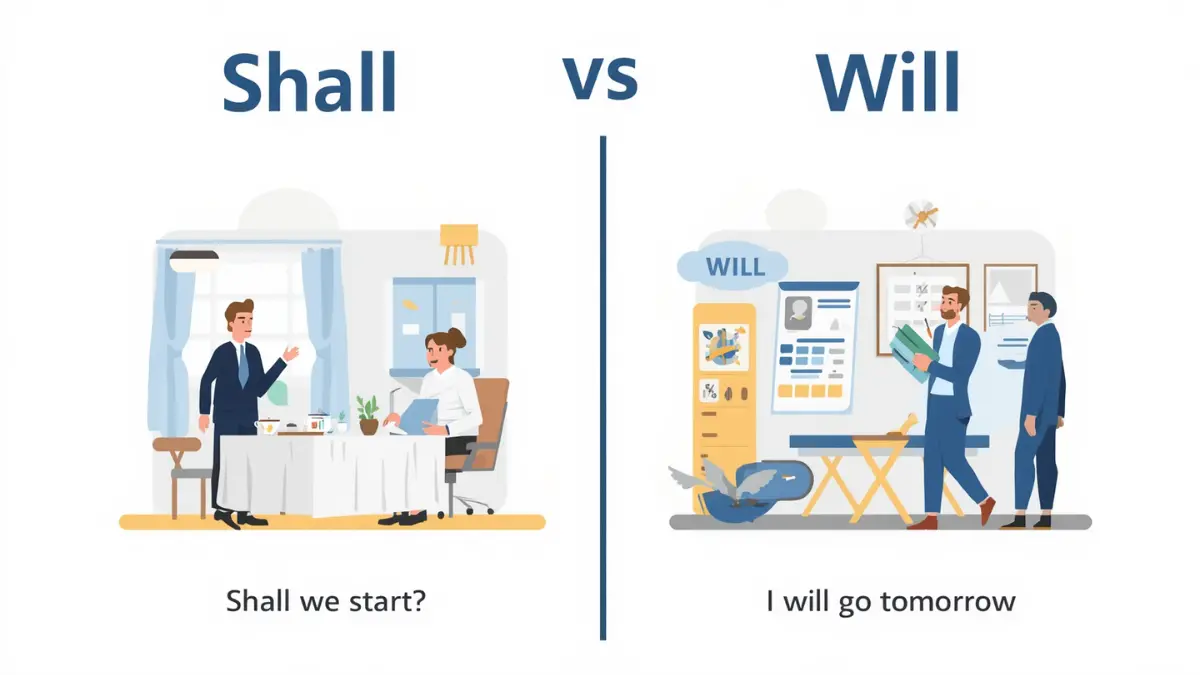
Many English learners get confused between shall and will. Both words are used to talk about the future, but their ...
Read more
Anxious or Eager: What’s the Difference
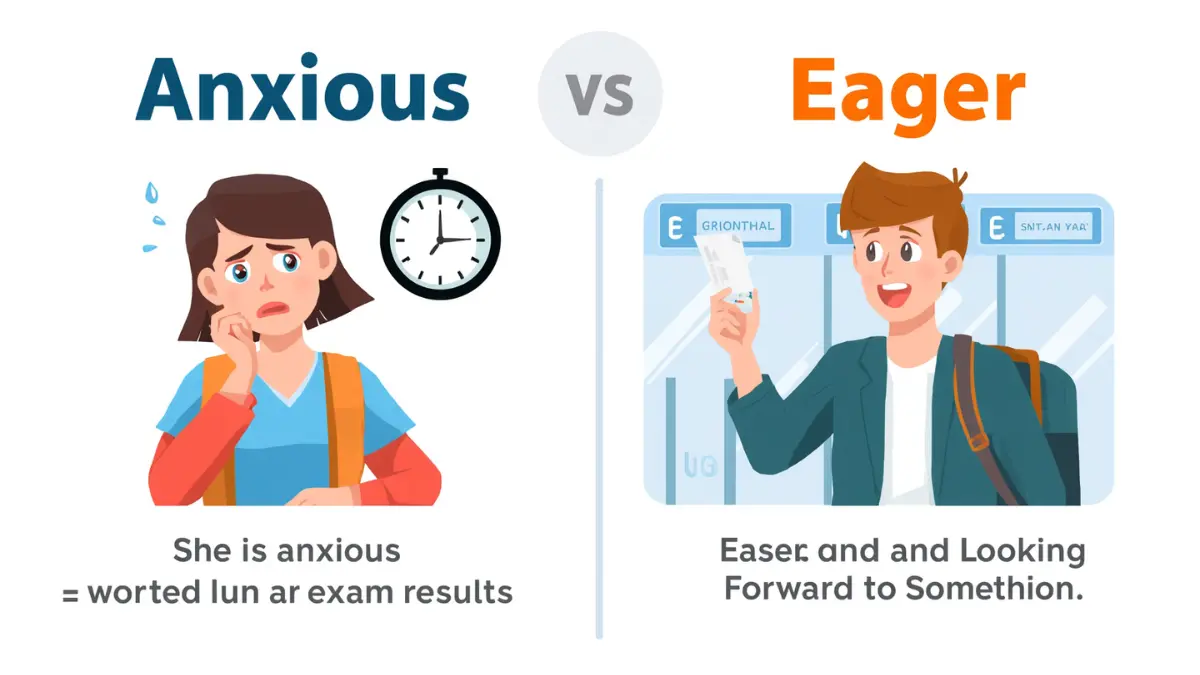
Have you ever wondered whether you should say, “I am anxious to start my new job” or “I am eager ...
Read more
Disinterested or Uninterested: What’s the Difference
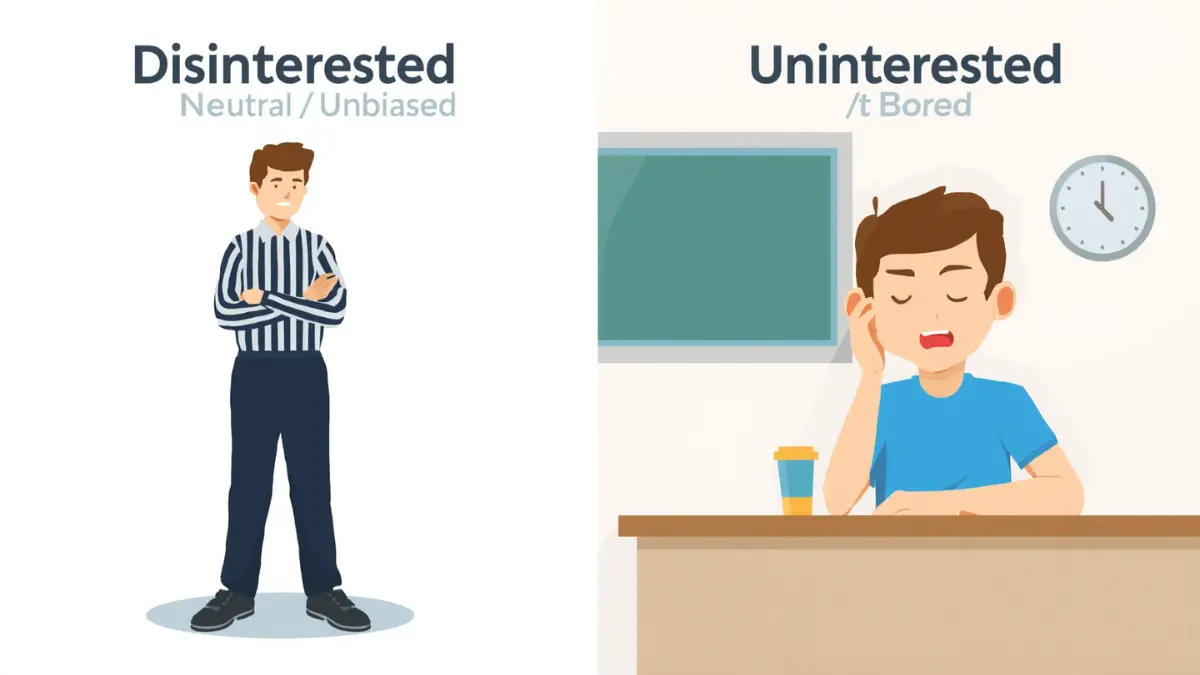
Many English speakers struggle with disinterested or uninterested people because the two words look similar and are often used incorrectly. ...
Read more
Continuously or Continually: What’s the Difference
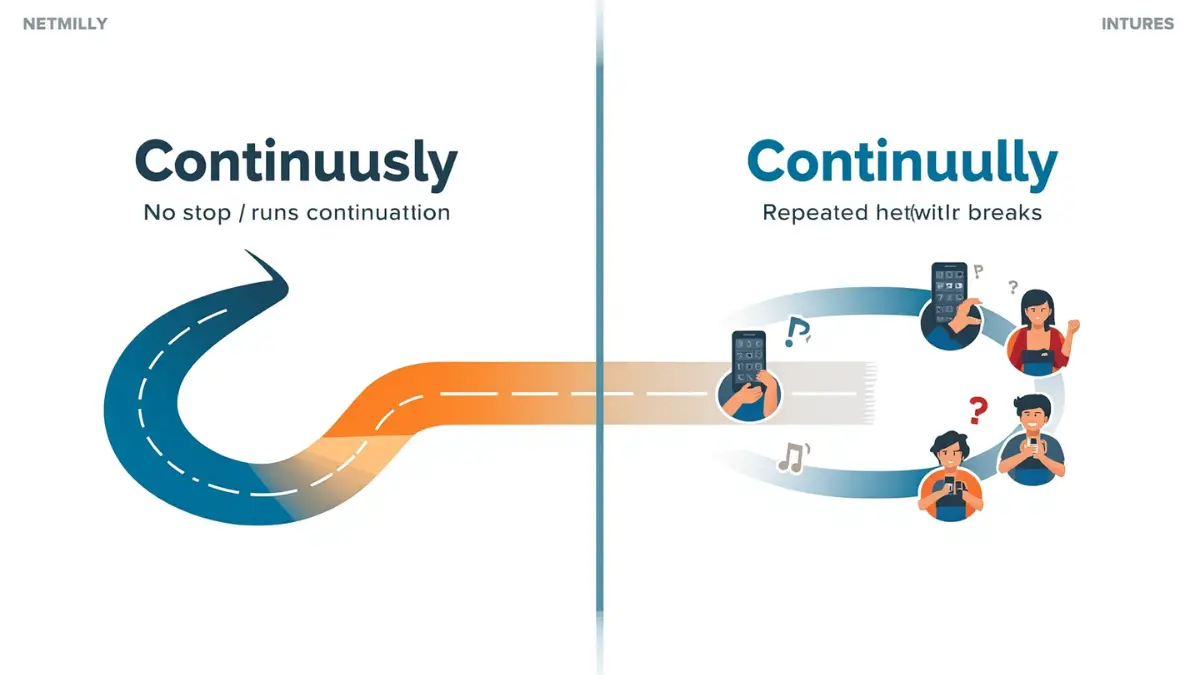
Many English learners get confused continuously or continually because both words look and sound similar. They are often used in ...
Read more