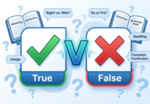
Many English learners and native speakers confuse accept and except because the words look and sound similar. A single letter changes the meaning, yet using the wrong word can make a sentence confusing or incorrect.
If you have ever wondered whether to write “I accept your offer” or “I except your offer,” you are not alone. These words are among the most commonly mixed-up terms in English grammar. The confusion happens because both words share a similar spelling and pronunciation, but they have very different meanings.
Understanding the difference between accept vs except helps you write clearly in emails, school assignments, business documents, and everyday conversations. Once you learn a simple rule, choosing the correct word becomes easy.
In this guide, you will learn the meaning of each word, where they came from, how they are used in British and American English, common mistakes to avoid, practical examples, and usage trends. By the end, you will know exactly when to use accept and when to use except.
Accept vs Except – Quick Answer
Accept means to receive, agree to, or approve something.
Except means excluding or leaving out something.
Examples
| Word | Meaning | Example |
| Accept | Receive or agree | I accept your invitation. |
| Accept | Approve | She accepted the job offer. |
| Except | Excluding | Everyone came except John. |
| Except | Leaving out | The store is open every day except Sunday. |
Easy Trick
- Accept = Agree
- Except = Exclude
Read more: Could Of or Could Have? The Correct Grammar Explained
The Origin of Accept vs Except
The words have different origins even though they look alike.
Accept
The word accept comes from the Latin word acceptare, meaning “to receive willingly” or “to take.”
Over time, it entered Middle English and kept its meaning of receiving, agreeing, or approving.
Except
The word except comes from the Latin word exceptus, meaning “taken out” or “excluded.”
It entered English with the meaning of leaving something out of a group.
Why the Spelling Difference Exists
The prefixes explain the difference:
- Ac- in accept relates to receiving.
- Ex- in except relates to taking out or excluding.
That single letter changes the meaning completely.
British English vs American English Spelling
Unlike many English words, accept and except are spelled the same in both British and American English.
There is no spelling difference between the two varieties of English.
Read more: Suppose To or Supposed To? The Correct Form Explained
Comparison Table
| Meaning | British English | American English |
| Receive or agree | Accept | Accept |
| Excluding | Except | Except |
| Approve an offer | Accept | Accept |
| Leave out a person | Except | Except |
Examples
British English
- I accept your proposal.
- Everyone attended except Sarah.
American English
- I accept your proposal.
- Everyone attended except Sarah.
The spelling and meaning remain identical.
Which Spelling Should You Use?
The answer is simple.
Use accept when you mean:
- Receive
- Agree
- Approve
- Take willingly
Use except when you mean:
- Excluding
- Leaving out
- Not including
For US Audiences
Use standard forms:
- Accept
- Except
For UK and Commonwealth Audiences
Use the same forms:
- Accept
- Except
For Global Audiences
These spellings are universally accepted and understood.
Common Mistakes with Accept vs Except
Many writers accidentally swap these words.
Mistake 1
❌ I except your apology.
✅ I accept your apology.
Mistake 2
❌ Everyone accept Tom arrived on time.
✅ Everyone except Tom arrived on time.
Mistake 3
❌ The company excepted the proposal.
✅ The company accepted the proposal.
Mistake 4
❌ We are open every day accept Sunday.
✅ We are open every day except Sunday.
Quick Check
Ask yourself:
- Am I talking about agreeing or receiving? → Accept
- Am I talking about excluding someone or something? → Except
Accept vs Except in Everyday Examples
Emails
Accept
I accept the meeting invitation.
Except
All departments participated except marketing.
News Writing
Accept
The organization accepted the donation.
Except
The policy applies to everyone except temporary workers.
Social Media
Accept
I happily accept this challenge.
Except
I love every season except winter.
Formal Writing
Accept
The board accepted the recommendation.
Except
All applicants except one met the requirements.
Accept vs Except – Google Trends & Usage Data
Search interest for accept vs except remains strong because people frequently confuse the words.
Popular Countries Searching This Topic
- United States
- United Kingdom
- Canada
- Australia
- India
Common Search Queries
- accept vs except meaning
- accept or except
- difference between accept and except
- when to use accept
- when to use except
Usage Context
| Word | Common Context |
| Accept | Business, education, contracts, invitations |
| Except | Rules, exclusions, lists, instructions |
In everyday writing, accept appears more often because people frequently discuss receiving, agreeing, and approving things.
Accept vs Except Comparison Table
| Feature | Accept | Except |
| Part of Speech | Verb | Preposition, conjunction, verb |
| Main Meaning | Receive or agree | Exclude or leave out |
| Prefix Meaning | Receive | Exclude |
| Example | I accept the offer. | Everyone came except Anna. |
| Common Use | Agreements and approvals | Exceptions and exclusions |
| Easy Memory Trick | Accept = Agree | Except = Exclude |
FAQs About Accept vs Except
1. What is the difference between accept and except?
Accept means to receive or agree. Except means to leave out or exclude.
2. Is it “accept my apology” or “except my apology”?
The correct phrase is accept my apology.
3. How can I remember accept vs except?
Remember:
- Accept = Agree
- Except = Exclude
4. Can except be used as a verb?
Yes. In formal English, except can mean “to exclude,” though this use is less common.
Example:
The rule excepts emergency cases.
5. Is there a spelling difference in British English?
No. Both British and American English use accept and except with the same spellings.
6. Which word is more common?
Accept is generally used more often in daily communication because people frequently discuss agreements and approvals.
7. Why do people confuse accept and except?
They look and sound similar, but their meanings are completely different.
Conclusion
The difference between accept vs except is simple once you know the meanings. Accept means to receive, approve, or agree to something. Except means to exclude or leave something out. Although the words differ by only one letter, they perform very different jobs in a sentence.
A useful memory trick is that accept begins with “ac,” which can remind you of “agree,” while except begins with “ex,” which can remind you of “exclude.” This small association makes it easier to choose the correct word when writing.
Fortunately, there are no spelling differences between British and American English. Writers around the world use the same forms, making them easy to learn and apply.
When proofreading, always check whether you are talking about receiving something or excluding something. If you are receiving, approving, or agreeing, use accept. If you are leaving something out, use except. Mastering this distinction will make your writing clearer, more professional, and more accurate in every situation.

I am Arshman Ali, a professional content writer and the author behind tensestutor.com . I am passionate about making grammar simple and accessible for everyone. Through my writing, I aim to help learners and professionals communicate with clarity and confidence.