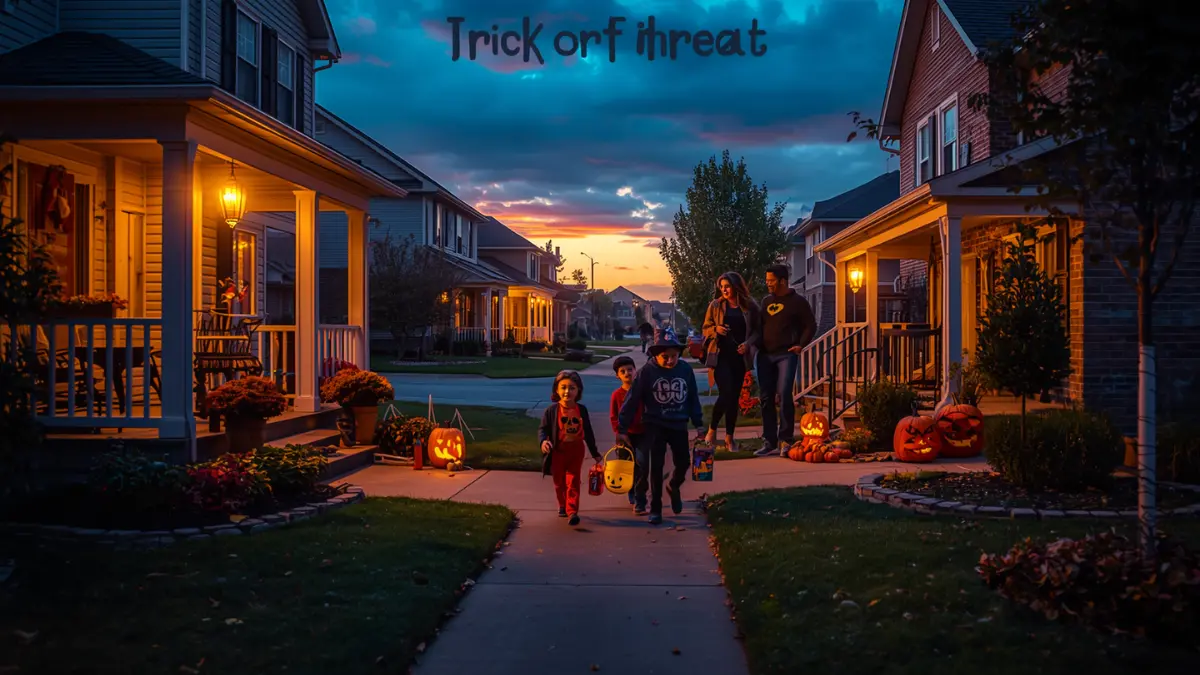
Every Halloween, parents and kids ask the same question: What are the official trick or treat hours? Some neighborhoods start early, while others continue late into the night. This creates confusion for families, homeowners, and event planners.
The phrase “trick or treat hours” refers to the time period when children go door to door collecting candy on Halloween night. Cities, towns, schools, and communities often set recommended hours for safety reasons. Many people search for this keyword because they want to know the right time to begin, avoid arriving too early, or prevent late-night disturbances.
Another reason for confusion is that trick-or-treat schedules change by state, city, and neighborhood. Some places begin at 4 PM, while others start after sunset. Parents also want to know if there are official rules or only local traditions.
This guide explains the meaning of trick or treat hours, their history, common timing rules, regional differences, and how to use the phrase correctly in daily writing.
Trick or Treat Hours – Quick Answer
Trick or treat hours are the official or recommended times for Halloween candy collection in a neighborhood or city.
Most communities in the United States set trick-or-treating between:
Roll Call or Role Call: Which One Is Correct?
| Typical Start Time | Typical End Time |
| 5:00 PM – 6:00 PM | 8:00 PM – 9:00 PM |
Examples
- “Our city’s trick or treat hours are from 6 PM to 8 PM.”
- “Please turn your porch light on during trick or treat hours.”
- “The neighborhood extended trick or treat hours because of rain.”
These hours help improve safety for children and drivers during Halloween night.
The Origin of Trick or Treat Hours
The phrase “trick or treat” became popular in North America during the early 1900s. Children would visit homes asking for candy by saying, “Trick or treat!”
- Trick meant a playful prank.
- Treat meant candy or snacks.
Over time, cities began creating official trick or treat hours to make Halloween safer and more organized.
Shiney or Shiny: Which Spelling Is Correct?
Historical Background
| Time Period | Development |
| Early 1900s | Halloween pranks became common |
| 1920s–1930s | “Trick or treat” phrase spread in the US |
| 1950s | Organized neighborhood trick-or-treating grew |
| Modern Day | Cities publish official trick or treat hours |
Unlike spelling-confusion keywords, this phrase does not usually have spelling variations. The confusion is mostly about timing, not spelling.
British English vs American English Spelling
The phrase “trick or treat hours” is mainly American English because Halloween door-to-door traditions are strongest in the United States and Canada.
British English speakers also understand the phrase, but usage is less common in the UK.
Spelling Comparison Table
| American English | British English | Meaning |
| Trick or treat hours | Trick-or-treat hours | Halloween visiting times |
| Neighborhood | Neighbourhood | Area where children visit homes |
| Candy | Sweets | Halloween treats |
| Porch light | Front light | Signal welcoming visitors |
Main Difference
American English often uses:
- Candy
- Neighborhood
- Porch
British English may use:
- Sweets
- Neighbourhood
- Front door light
Which Spelling Should You Use?
The best version depends on your audience.
Use American English If:
- Your readers are in the United States
- Your content targets Halloween searches in North America
- You write for US blogs or local event pages
Use British English If:
- Your audience is in the UK or Commonwealth countries
- You prefer British spelling rules
Best Choice for Global Audiences
Use simple American English because Halloween content is most searched in the United States and Canada.
Common Mistakes with Trick or Treat Hours
People often make small grammar or formatting mistakes when writing this phrase.
| Incorrect Version | Correct Version |
| Trick n treat hours | Trick or treat hours |
| Trick-or-treating hour | Trick or treat hours |
| Trick or treat timing | Trick or treat hours |
| Trick or treat hrs | Trick or treat hours |
| Trick & treat hours | Trick or treat hours |
Common Errors Explained
1. Using Short Forms
Avoid writing “hrs” in formal content.
2. Missing “Or”
The phrase must stay complete:
- Correct: “trick or treat”
- Incorrect: “trick treat”
3. Wrong Hyphen Use
Both forms appear online:
- trick or treat hours
- trick-or-treat hours
The first version is searched more often in SEO content.
Trick or Treat Hours in Everyday Examples
Here is how people use the phrase in daily communication.
In Emails
- “The school announced trick or treat hours from 5 PM to 7 PM.”
In News Reports
- “City officials extended trick or treat hours due to weather concerns.”
On Social Media
- “What are your local trick or treat hours this year?”
In Formal Writing
- “Residents are encouraged to keep outdoor lights on during trick or treat hours.”
In Community Notices
- “Official trick or treat hours begin at sunset.”
Trick or Treat Hours – Google Trends & Usage Data
Searches for trick or treat hours increase sharply every October.
Popular Countries
| Country | Search Popularity |
| United States | Very High |
| Canada | High |
| United Kingdom | Medium |
| Australia | Low |
| Ireland | Medium |
Why Searches Increase
People search this keyword to:
- Find local Halloween schedules
- Plan safe family activities
- Avoid arriving too early or too late
- Check city announcements
Seasonal Search Pattern
| Month | Search Level |
| January–August | Very Low |
| September | Medium |
| October | Extremely High |
| November–December | Low |
Comparison Table: Keyword Variations
| Keyword Variation | Usage Type | Most Common Region |
| Trick or treat hours | SEO keyword | United States |
| Trick-or-treat hours | Formal writing | US & Canada |
| Halloween hours | General phrase | Global |
| Trick or treat times | Casual search | United States |
| Official trick or treat hours | Government/community notices | North America |
FAQs About Trick or Treat Hours
What time do trick or treat hours usually start?
Most communities begin between 5 PM and 6 PM on Halloween evening.
What time do trick or treat hours end?
Many neighborhoods finish around 8 PM or 9 PM.
Are trick or treat hours official?
Some cities publish official schedules, while others follow local tradition.
Why do cities set trick or treat hours?
They improve child safety, traffic control, and neighborhood organization.
Can trick or treat hours change because of weather?
Yes. Rain, storms, or emergencies may cause schedule changes.
Is there a national trick or treat schedule?
No. Every city or neighborhood may choose different hours.
Should adults follow trick or treat hours too?
Yes. Homeowners and event organizers should respect local timing guidelines.
Conclusion
Understanding trick or treat hours helps families enjoy Halloween safely and smoothly. These hours are the recommended times when children go door to door collecting candy in neighborhoods and communities. While most areas schedule trick-or-treating between 5 PM and 9 PM, exact times vary by city, weather conditions, and local traditions.
The phrase became popular as Halloween celebrations grew more organized in North America. Today, it appears in city announcements, school notices, social media posts, and online searches every October. Although there are small differences between American and British English vocabulary, the meaning stays the same.
If you create content for a US audience, using “trick or treat hours” is the best SEO choice because it matches common search behavior. Always check local community announcements for the most accurate timing information. Clear communication about Halloween schedules helps parents plan better, keeps children safer, and makes the holiday more enjoyable for everyone involved.

I am Bahadar Ali, a professional content writer and the author behind Tensestutor.com I am passionate about making grammar simple and accessible for everyone. Through my writing, I aim to help learners and professionals communicate with clarity and confidence.